Wide South African landscape with the Angora herd

The story · the noble fibre, in five chapters

Story.

From a hillside in South Africa to the skein in your hands. Where the goats live, who tends them, and how a coat becomes a yarn.

RMS, Responsible Mohair Standard, certified by Textile Exchange

Chapter 01 · the land

A hillside in South Africa.

Good mohair begins long before it reaches the spinner. It begins on the open ground where the goats walk, and in the season a coat is grown.

The Karoo is semi-desert: hot, dry summers, cold winters, sparse scrub. Angora goats have thrived on this terrain for nearly two centuries, and roughly half the world's mohair still comes from here.

Getting from goat to finished yarn takes patience and a good deal of work by hand.

The Karoo in late winter, with the pasture-grazed herd
01·aThe Karoo in late winter. The herd at pasture.

Chapter 02 · the goats

Angora goats.

An Angora doe in late afternoon
02·aAn Angora doe in late afternoon.

An Angora goat is a small, patient animal. Through its first year it grows kid mohair, finer, softer and lighter than the adult coat.

The goats are shorn twice a year under strict standard requirements. Shearing is essential to their wellbeing: a coat left to grow impairs vision and movement, and stops kids from suckling. After each clip the farmers shelter the herd from the weather.

Generations of careful breeding and genetic selection have refined the fibre into what the trade simply calls noble.

Herd fur detail
02·bCoat detail. Kid mohair, first clip.

Chapter 03 · care & welfare

RMS, the way mohair is farmed.

The Responsible Mohair Standard, launched by Textile Exchange in March 2020, asks four hard questions of a farm: how the animals are treated, how the land is kept, how the people who work it are paid and protected, and whether every skein can be traced back to where it began.

It is not a marketing exercise. The audit happens at the farm, on ordinary working days, carried out by qualified third-party auditors. A farm either meets the standard or it does not.

The South African industry treats responsible farming as the baseline, and it keeps bringing more farms under the standard each year.

Feeder scene, late winter
03·aAt the feeder, late winter. Raised with care.
i

Animal welfare.

Shelter, handling, shearing practice, herd density, health. Each measured against welfare science rather than assumption.

ii

Land management.

Soil health, grazing pressure, water and biodiversity. The land has to be able to carry the herd next year, and the year after.

iii

Social welfare.

Around 30,000 people live and work in the South African mohair industry, most of them in the Karoo. Fair wages, safe conditions, training: the people who tend the goats are the same people who make the yarn possible.

iv

Traceability.

Every step from the farm to the finished product can be traced, and RMS provides the system for it. Mohair leaves the farm with a record of where it began.

RMSResponsible Mohair Standard · administered by Textile Exchange Launched 17 March 2020. Audited annually, post-farmgate certified through the value chain.

Chapter 04 · fibre to yarn

From a coat to a skein.

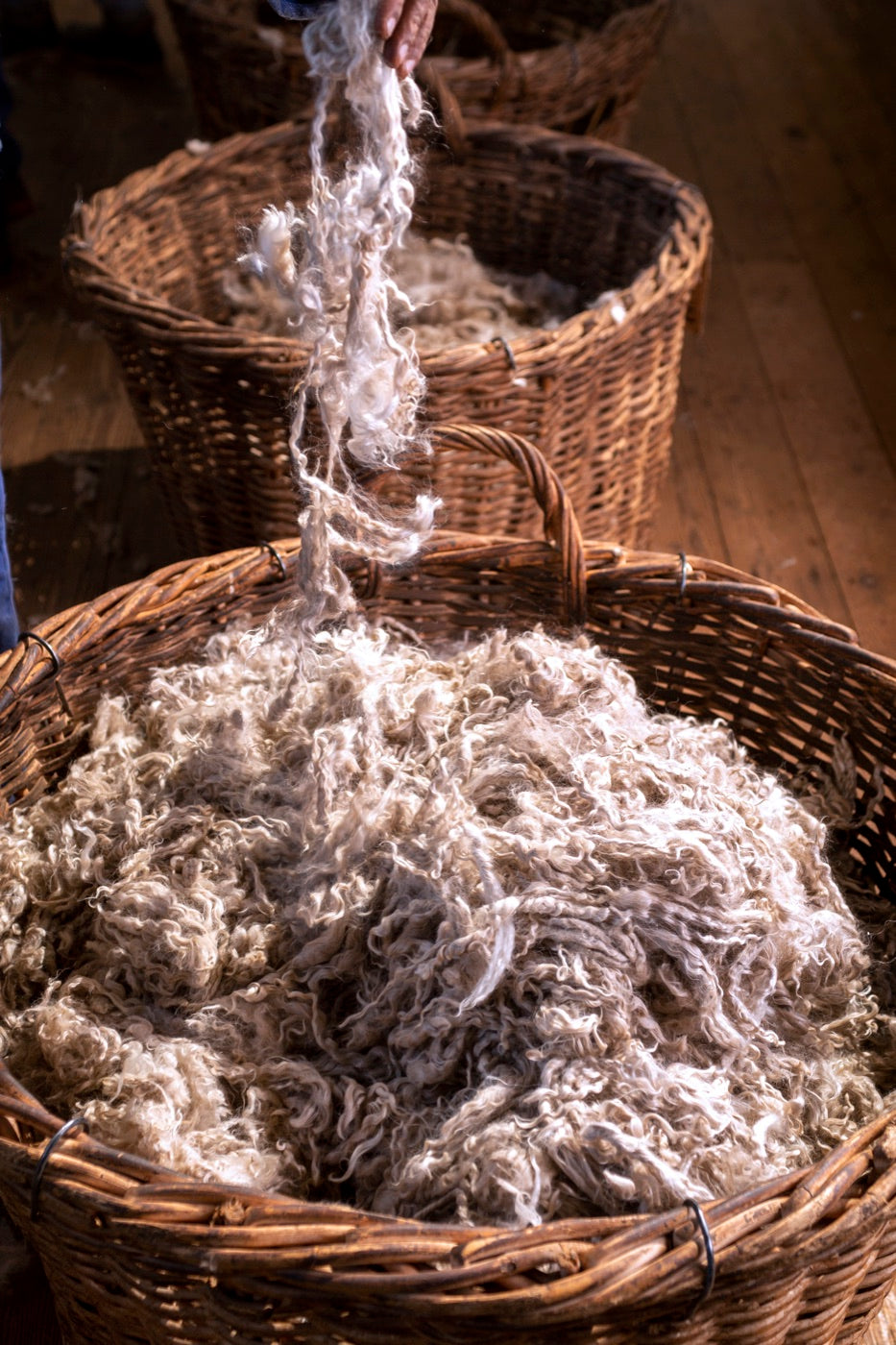
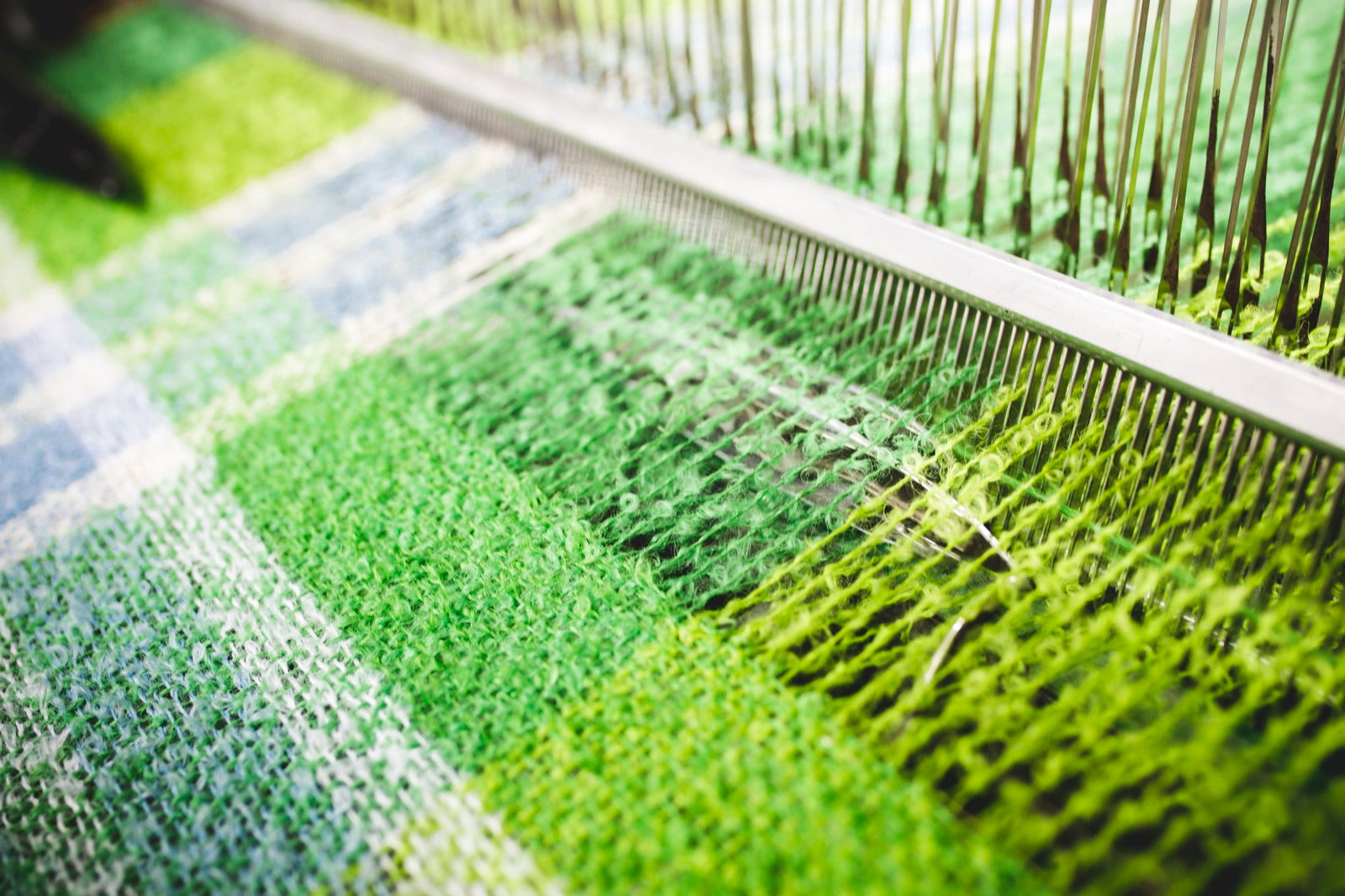
A coat becomes a yarn through a sequence of careful steps: shearing, classing, scouring, carding, combing, spinning. Each step has its own standards and craft.

Raw kid mohair fibre close-up

Step 01

The fibre.

Clipped twice a year, by hand or with electric shears, then classed by length, diameter and quality, from super fine to strong mohair.

Fibre processing

Step 02

The process.

Washed, carded and combed until the fibre forms a soft mohair top, ready for spinning.

Spun mohair yarn

Step 03

The yarn.

The top is spun into yarn, specified for structure, thickness (yarn count) and surface. Mohair yarns are often brushed to raise a soft halo.

Finished skein

Step 04

The skein.

Dyed in seasonal palettes. Mohair takes dye beautifully and keeps its colour over time.

Mohair is the noble fibre: light, strong, and made the way it has been for nearly two centuries.

A letter from the studio

Dear reader,

We love mohair: the yarn, the animals, the old craft that makes it. We think it is one of the most remarkable natural materials there is. Light, lustrous, and quick to take colour.

A skein of kid mohair is the work of one small, patient animal, raised in the Karoo on land that has carried Angora goats for nearly two centuries. Everything that draws us to mohair, its sheen, its breathability, the way it holds dye, is grown rather than engineered.

Thank you for reading this far. Begin with a single skein, if you like.

Canard. the studio · MMXXVI

Chapter 05 · the signature

The goats come first.

Mohair is a natural, renewable fibre, warm for its weight and full of colour.

The certification is real. The standards are public. We have told the story plainly.

The yarn arrives in a paper sleeve, tied.

Canard. the studio · founded MMXXVI
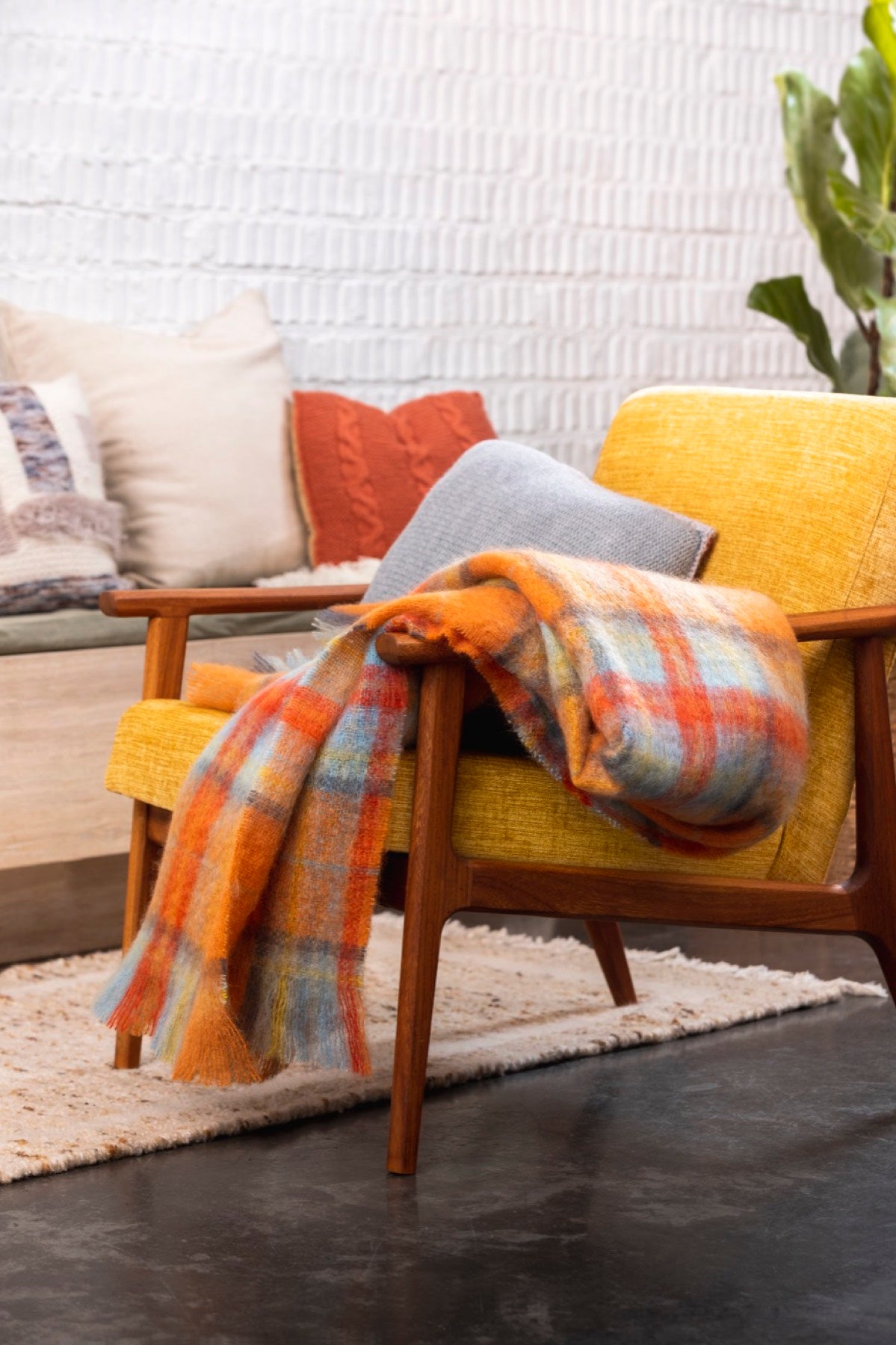
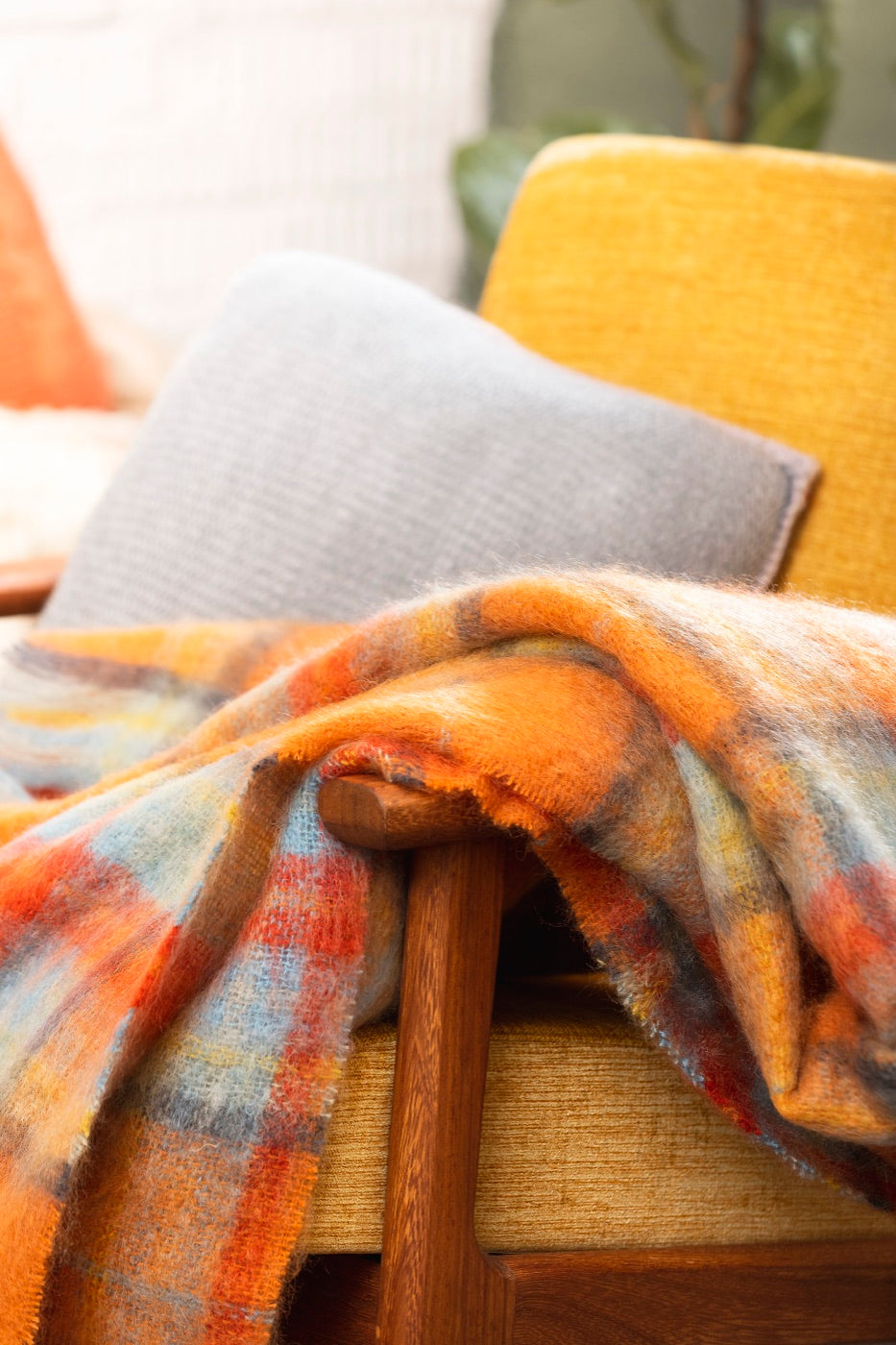
Finished mohair skein, styled